If you have ever wondered whether your cat loves you, look for signs of trust, comfort and social connection—not just cuddles.
Here are 12 behaviours that may suggest your cat feels safe and connected with you.
1. Your cat chooses to spend time near you
A cat that regularly settles in the same room, sits beside you or chooses a nearby sleeping spot may enjoy your company. It does not need to be on your lap to be social.
2. Your cat greets you
Some cats approach their owners when they return home, with an upright tail, a meow or a trill. Greeting behaviour can be a familiar part of your relationship.
3. Your cat rubs its cheeks or head against you
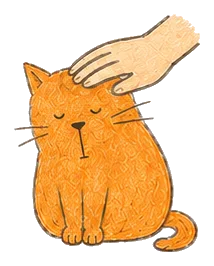
Cats often rub their face against familiar people and objects. This behaviour is associated with scent communication and social interaction. If your cat gently head-butts your hand, it may be inviting contact.
4. Your cat gives you a slow blink
Research has found that cats respond to human slow-blink sequences, and in one study cats were more likely to approach an experimenter after a slow-blink interaction than after a neutral expression.
You can try a gentle slow blink when your cat is relaxed. Do not stare or move closer if your cat seems uncomfortable.
5. Your cat sleeps near you
Resting makes an animal less ready to respond to its surroundings. A cat that chooses to sleep near you may find the space familiar and comfortable. Sleeping on you is not the only sign of a bond; a nearby chair or the foot of the bed may be your cat’s preferred distance.
6. Your cat kneads a soft surface near you
Kneading is a common behaviour in domestic cats. It is associated with kitten nursing behaviour and may continue into adulthood in relaxed contexts. Some cats knead blankets, cushions or their owner’s lap.
It does not have one proven emotional meaning in every situation, but it can occur during comfortable resting and social contact.
7. Your cat purrs during relaxed contact
Purring often occurs during friendly interactions, but it can also happen when cats are stressed or unwell. Look for relaxed posture and voluntary contact rather than treating purring alone as proof of happiness.
8. Your cat grooms you
Some cats lick a person’s hand or hair. Social grooming is part of feline relationships, although licking can have several motivations. If it becomes excessive or is accompanied by skin irritation, consider veterinary advice.
9. Your cat follows you around
Following you may reflect social interest, curiosity, a learned routine or anticipation of food and play. It can be a sign that your cat enjoys being involved in what you are doing, but it is not a standalone measure of attachment.
10. Your cat brings you toys
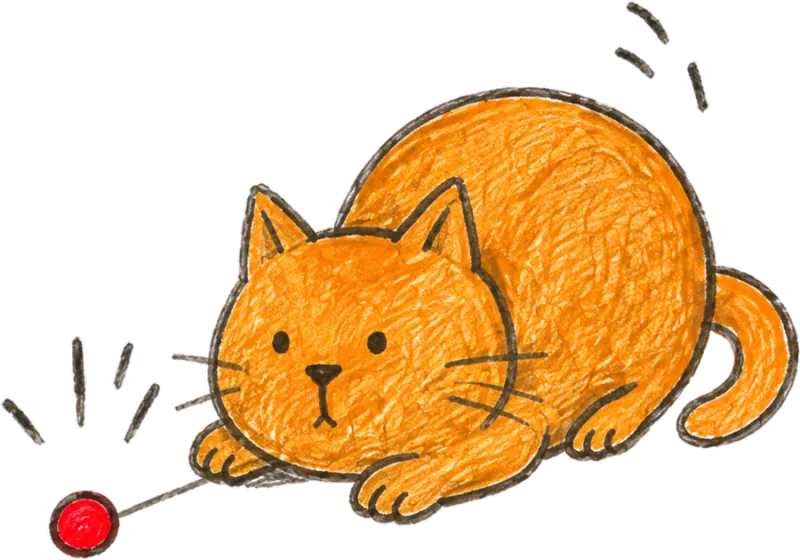
A cat may carry toys around or drop them near you as part of play or attention-seeking behaviour. Try responding with a short interactive play session using a suitable cat toy.
11. Your cat shows its belly
A cat lying on its back may feel relaxed, but showing the belly does not necessarily mean it wants to be touched there. The abdomen is a vulnerable area, and many cats dislike belly rubs. Respect the invitation—or lack of one—your cat gives.
12. Your cat communicates with you
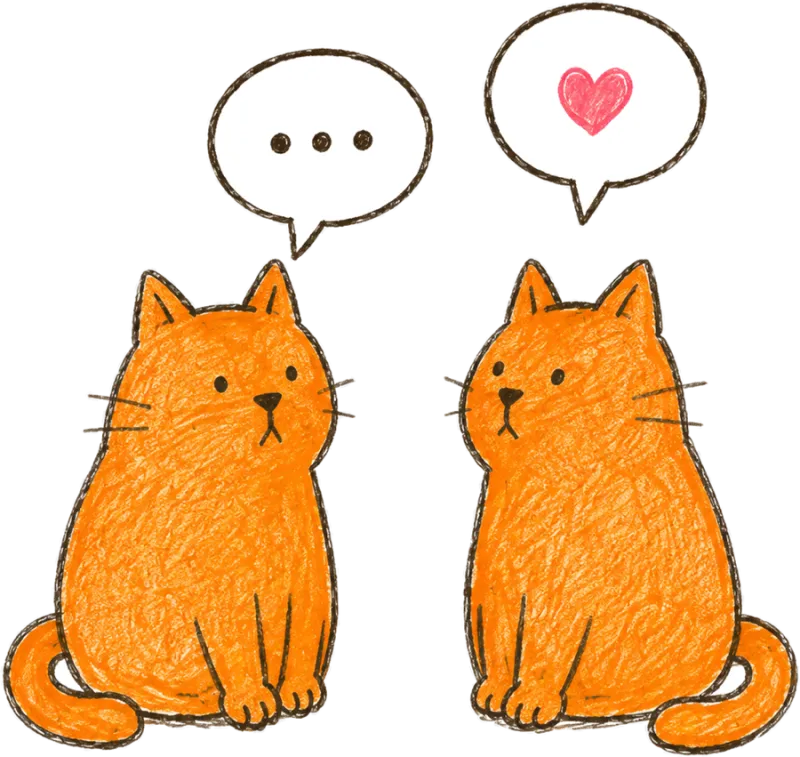
Meows, trills, chirps and other sounds can be part of your cat’s everyday interactions with you. Some cats are naturally talkative; others are quieter. Learning your cat’s individual patterns can help you recognise greetings, requests and changes in behaviour.
What if my cat is not affectionate?
It does not mean your cat dislikes you. Cats differ in temperament, early experiences, age, health and preferred forms of contact. A cat may show trust by staying in the same room, relaxing when you are nearby or approaching on its own terms.
Build trust by allowing choice:
- Let your cat approach you.
- Offer gentle interaction and pause to see whether it wants more.
- Avoid picking it up if it dislikes being held.
- Provide safe resting places and hiding spots.
- Keep daily routines reasonably predictable.
- Use play and food enrichment to create positive experiences.
How to tell whether your cat trusts you
Trust is better understood as a pattern than a single gesture. Look for voluntary approach, relaxed resting, comfortable exploration and the ability to move away without being chased or forced to interact.
A cat that chooses when and how to connect is still connecting.
A final thought
Your cat may not express affection in the way you expect, but small everyday behaviours can reveal a lot about how comfortable it feels around you. Learn your cat’s personal signals, respect its boundaries and enjoy the relationship you are building.
For more clues, read our guide to cat body language and learn what different vocalisations may communicate in our cat sounds guide.
The Cat Translator helps you explore possible meanings behind your cat’s vocalisations—another way to stay curious about the little conversations you share.
Sources and further reading
- Humphrey, T. et al. (2020). “The role of cat eye narrowing movements in cat–human communication.” Scientific Reports. https://www.nature.com/articles/s41598-020-73426-0
- University of Edinburgh. “Feline body language.” https://vet.ed.ac.uk/sites/default/files/2024-09/Feline%20body%20language.pdf
- RSPCA. “Cat body language.” https://nextgen.rspca.org.uk/en/animal-care/cat-body-language
- Tavernier, C. et al. (2020). “Feline vocal communication.” Journal of Veterinary Science. https://pmc.ncbi.nlm.nih.gov/articles/PMC7000907/